
 |
||
|
Cool Roofs |
||
Reflective Roofing
|
 |
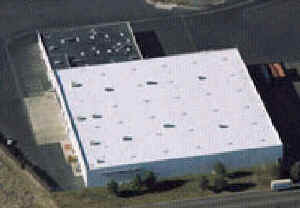 |
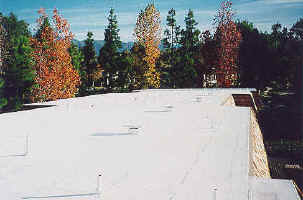
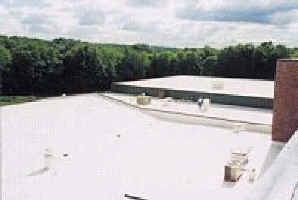
The roofs of structures such as shopping malls, warehouse and office buildings can reach 150� F in the summer, enough to affect whole neighborhoods. Using surfaces with high albedo (a measure of the reflectivity of solar radiation) for roofing can reduce the ambient air temperature so that the entire area is cooler. |
|
A computer model for Los Angeles done by the Lawrence Berkeley National Laboratories identified the city's "heat sinks" - pockets of heat indicated by infrared satellite imagery. In simulation, 15 percent of those areas adopted Cool Communities strategies, using high albedo roofing and paving and shade trees. The result was a 6� F reduction in ambient air temperature and a 12 percent reduction in smog (the equivalent to removing 3 to 5 million cars from the road). |
 |
|
While actual energy saving depends on many variables, the use of high albedo roofing with appropriate insulation can result in a savings of as much as 40 percent in cooling costs and a reduction in peak cooling demand of over 10 percent. Georgia was the first state to recognize the energy saving benefits of �cool roofs� in the model energy code for commercial buildings. The amendment provides incentives to building owners to install highly reflective roofing materials. For more information, contact the Georgia Department of Community Affairs (404-679-3118). |
|